

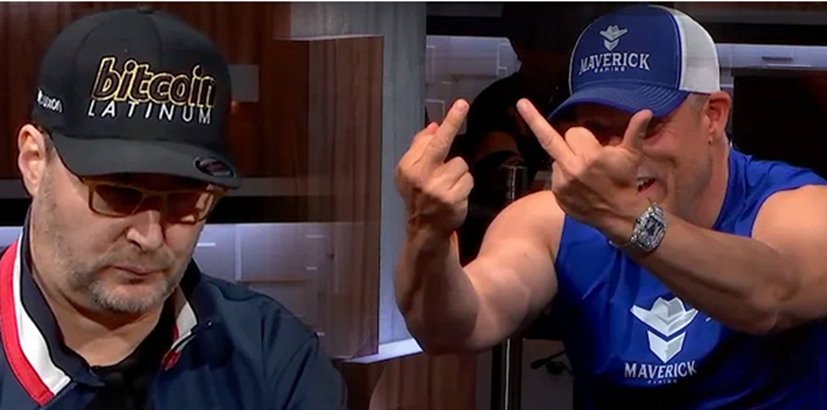

Most of you reading this aren’t poker pros yet. I get it. You’re learning, trying to level up, trying to stop making the same mistakes that drain your stack like learning to get tilt control. I’ve been there.
When I first started, I was a wreck. Real, physical anxiety. Iceman over here used to shake. Legs bouncing, voice cracking, hands twitching, zero motor control. Once that hit, my brain followed. Panic/Self-hate. “I’ll never recover.” “I’m such an idiot.” You know the script.
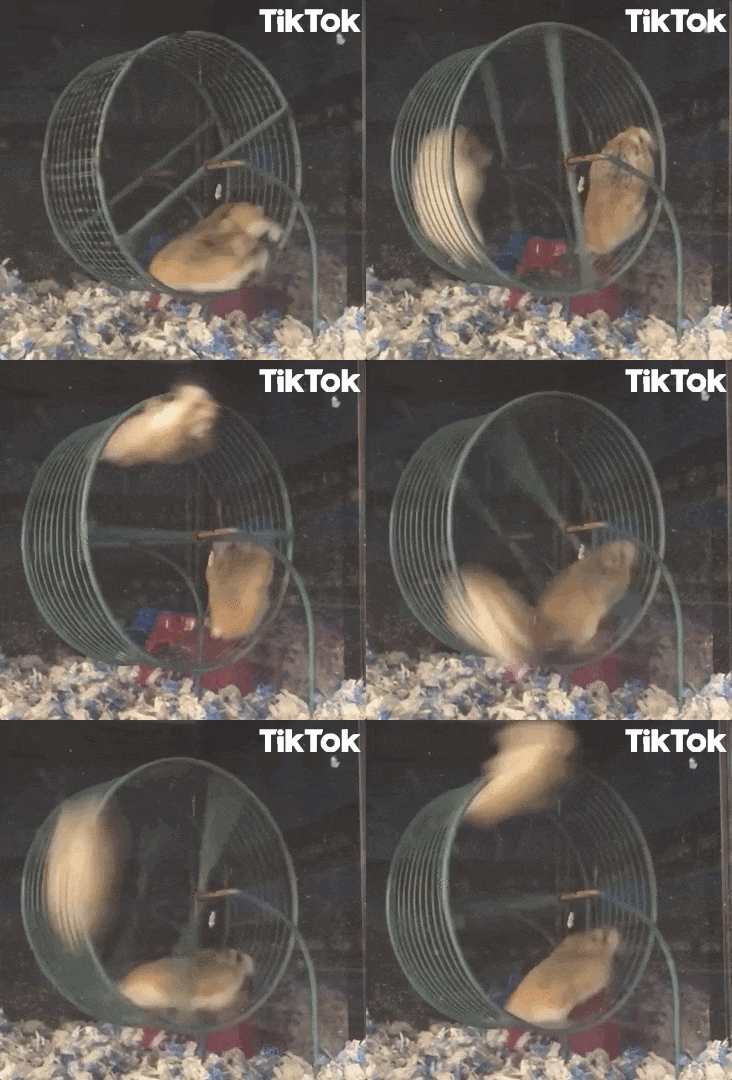
When your head is spinning, you can’t read the table. You can’t stay sharp. You can’t win. Poker is just as much about control as it is about cards or math. Lose that and you’re dead easy money.
Back then, I’d either turn into a walking tell machine or tilt off and walk away from the table. Not an option in a tournament.
What to Do?
Then I found something simple that changed everything. A friend in sales gave me the trick. I thought it was too simple at first, but it worked instantly. The fix is to wash your hands. Sounds ridiculous, but it’s powerful when you do it right.
I’ll break down exactly how and why it works in a second.
That’s the reality for so many of us. While tilt or anxiety attacks look and feel different from person to person (for me, it’s always the trembling legs), there’s a shared thread of feeling trapped, overwhelmed, and disconnected from your own body. And when you’re caught in it, you’ll try almost anything to calm anxiety attacks.

One quick note. If your anxiety is so bad that it’s paralyzing you, check your stakes. You might be playing with money you can’t afford to lose. Or you might need to build up your tolerance for pressure first. Take that seriously. If it’s more than poker nerves, get support.
Why It Matters: Tilt Control Is a Regular Battle
Everyone feels pressure. Even pros. The difference is how fast they recover from it.
Tilt is poker’s version of losing control. You miss a draw, someone slow-rolls you, or you get bluffed off a pot you should have taken. Then the blood rushes, your focus disappears, and you start playing trash hands because you are chasing. That is tilt.
It is not random. The data backs it up. The American Psychiatric Association found that 43 percent of U.S. adults felt more anxious in 2024 than the year before. The top reason was the economy. Poker hits your personal economy harder than almost anything else.
A really important study on 291 online poker players found a clear link between anxiety and tilt. The correlation was 0.40, so the higher the anxiety, the worse the emotional control. Players with gambling problems also scored higher on anxiety and tilt frequency. If you feel your gambling is becoming compulsive, this technique is not for you. Get real help.
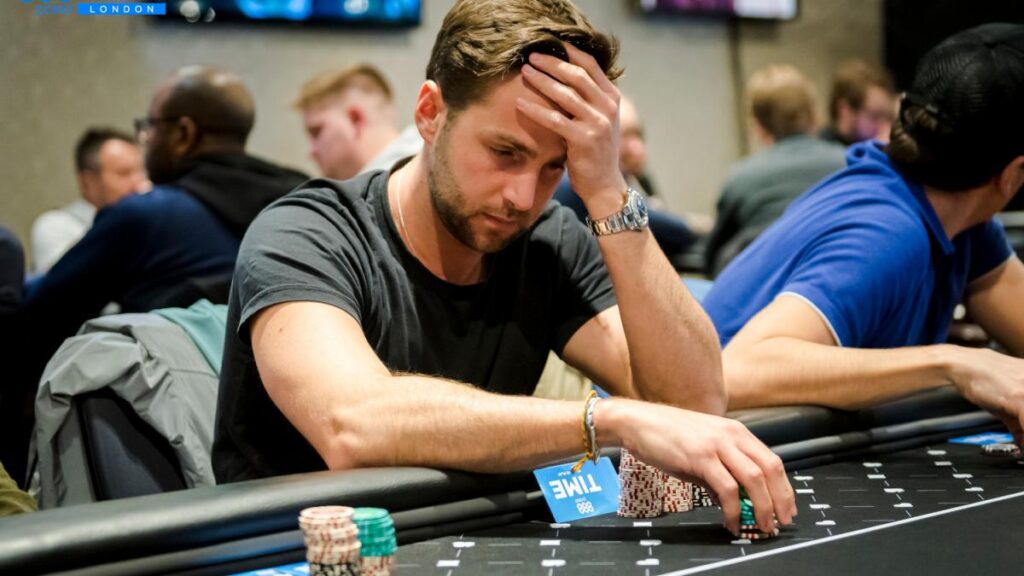
Poker stress is not like a nine-to-five burnout. It is short, sharp, and tied to specific triggers like a big pot lost to a cooler or a bluff gone wrong. Remember: The stakes can feel high but should still be affordable to you. That is the line between a learning curve and learning cliff.
Ignore tilt and it will drain you fast. You start leaking money. You become the soft target every pro (including me) dreams of. That is why top players create pressure. Overbets and long n’hard stares are my usual method for inducing tilt or anxiety in players I know I can drive over the edge.
Tilt Control Solution: Hand-Washing
We know tilt and anxiety are common at the table. The question is simple. How do you calm yourself in the moment?
The answer is simple and stupid. Wash your hands. Slowly and intentionally.
When I feel the spiral starting, racing thoughts, tight chest, emotional detachment, I take the next chance for a break. I get up, turn on warm water, wait for the casino soap dispenser to do its job, and wash my hands.

I tried this trick early in my poker days after my sleazy salesman friend told me to do it. A bad beat in a satellite tournament left me fuming. During the dinner break, I ran cold water over my hands just to feel something and stop myself from fantasizing about punching the mirror. It worked instantly. I was able to snap back to my A game and finished just in the money in that tournament despite being short-stacked for the entire time after the break.
Why does it work? Grounding. When you connect with physical sensations in the present moment, your mind detaches from racing thoughts and fear-based spirals. You calm your nervous system by anchoring yourself in now. Washing your hands engages multiple senses at once, which is exactly what you need to reset fast.
The Full Ritual to Calm and Control Tilt
This hand-washing technique hits fast. You focus completely on the moment:
- The temperature of the water against your skin
- The texture and lather of the soap
- The smell of the scent, bright citrus or calming lavender depending on your casino
- The sound of the water running
- The rhythm of your breathing as you slow everything down
It seems simple. It works because it is grounded in real science. This technique activates your parasympathetic nervous system, the system that calms your body after stress. You switch from fight-or-flight to rest-and-digest.
Add sensory stimulation, like temperature or scent, and your nervous system starts to settle. You can do this anywhere.

Why This Works: The Science and Psychology Behind It
The vagus nerve is a key player. Running warm or cold water over your skin stimulates it and triggers calm. Your heart rate drops. You feel safer. Repetitive motion acts like mini meditation. Folding laundry or rocking in a chair works the same way. Repetition tells your brain things are steady and under control.
Other small routines work too:
- Splashing cold water on your face
- Washing behind your ears and neck
- Anything with repetitive, soothing motion
These actions will anchor you to the present and are some steps to take towards tilt control. They reset your mind so you can play like you mean it.
Try It Today: Get Tilt Control as Little as Twenty Seconds
Next time you feel tilt creeping in, stop overthinking. Walk to the sink.
Turn on the water. Take some time, from twenty seconds to two slow, intentional minutes to wash your hands. Focus on the scent, the temperature, the rhythm. Let it bring you back to your body. Notice how your nervous system responds. You will be surprised how fast this can calm your tilt.
The power is is in the repetition, not the task itself. These small rituals remind you that you have tools even when everything feels out of control. You cannot let tilt take over at the table.
My parting words at the table
If you liked this post, let me know in the comments and tell me what to cover next. You can also send me an email or use the contact form. Check out some of my other posts here, all designed to help you become a smarter and stronger poker player through edutainment.
PLEASE REMEMBER, you cannot play your best game if you are feeling anxiety or tilt.
As always, play poker responsibly.
